Tools Required: Voltmeter, Phillip-head Screwdriver, PliersIf your sprayer is unresponsive, there are a number of areas that may be the source of the problem. Watch the video below to learn about common issues and the steps required to resolve them.
Watch:
Step-By-Step Instructions:
STEP 1: Test With a Working Battery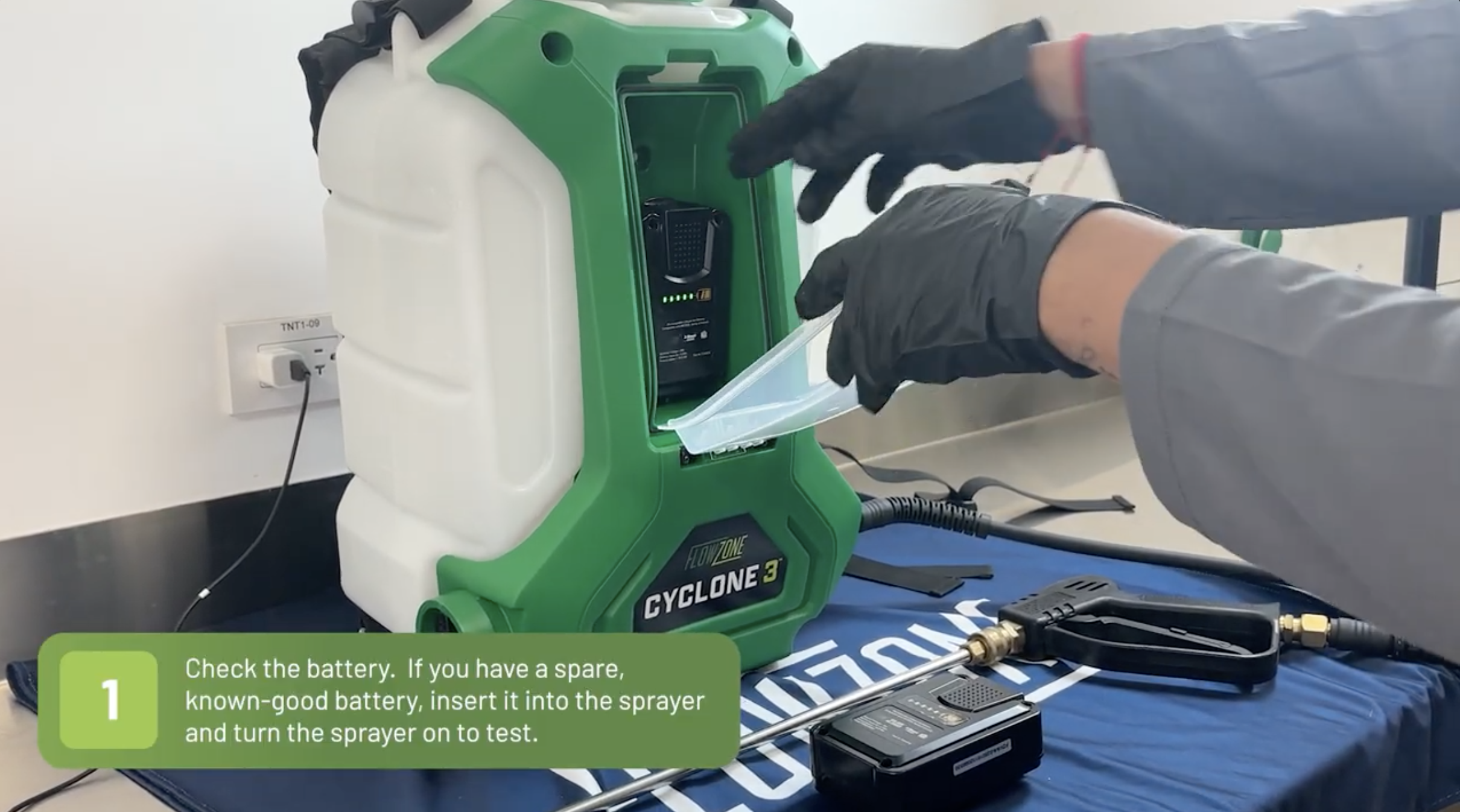 a. If you have a spare battery that is good, test the sprayer with that battery.
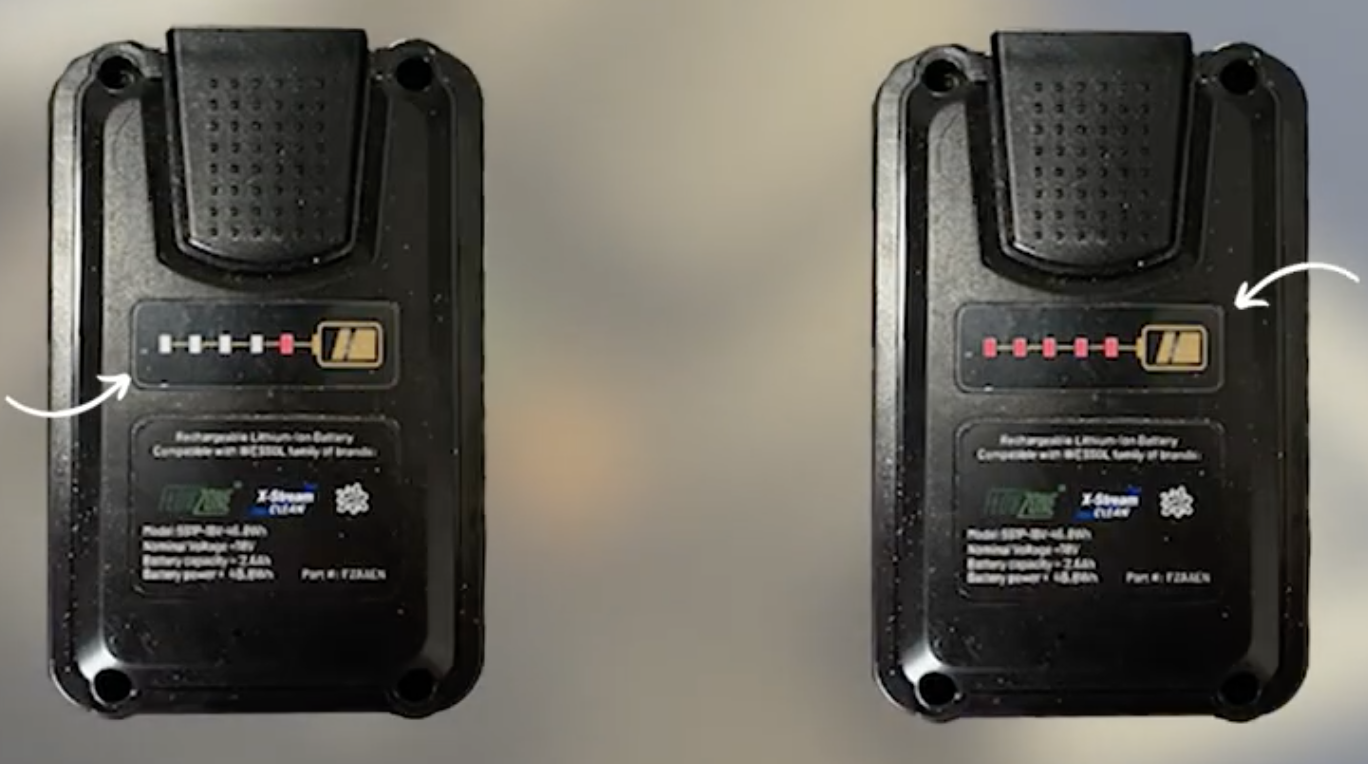
b. In a case without a spare battery, try activating the current battery with the battery icon button on the front.
c. If either no lights show, or a red light appears, then the battery must be replaced.
STEP 1 Alternative: Test With a Multimeter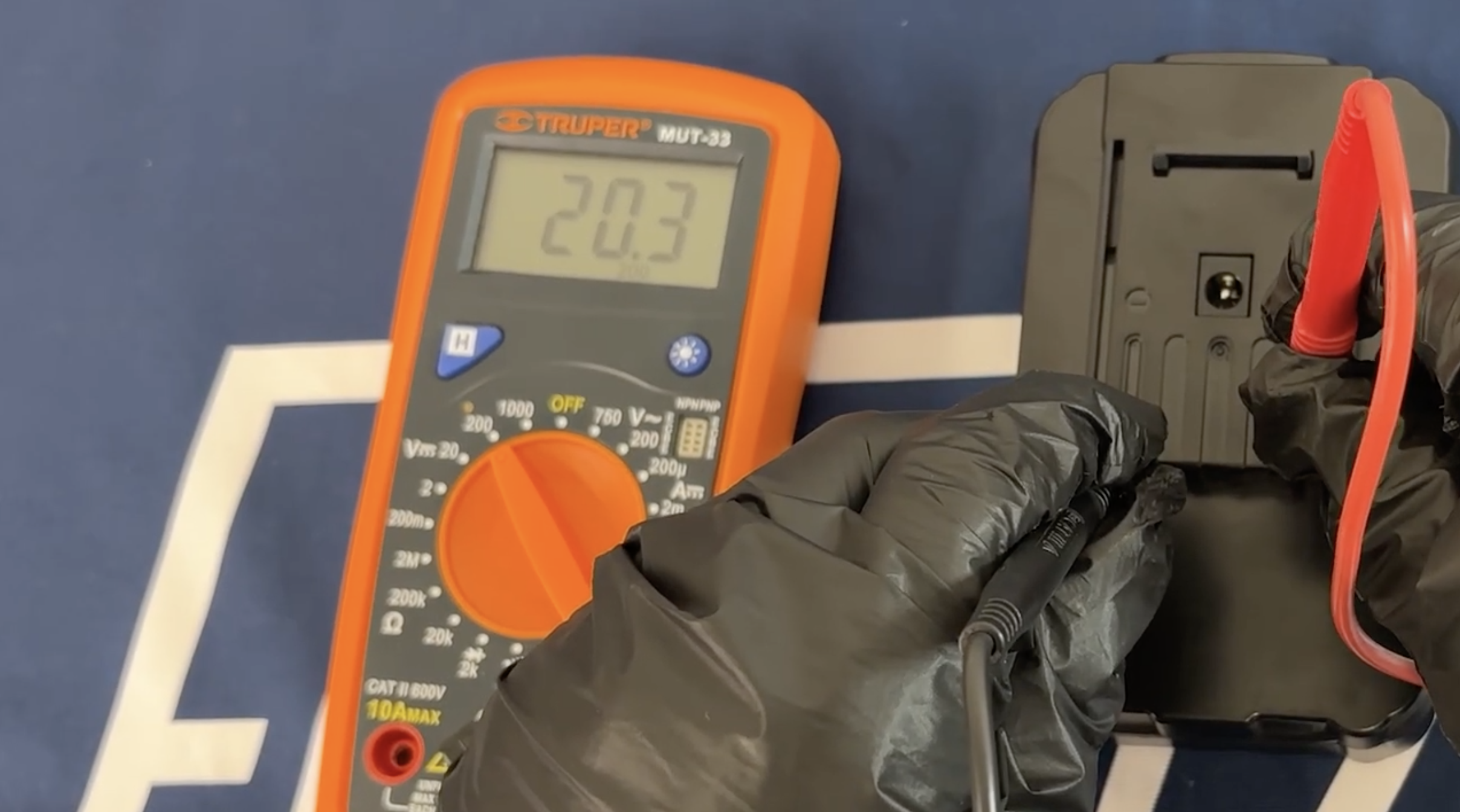
a. Set your device to read Direct Current (DC) voltage.
b. Place the leads on the correct terminals located on the battery.
c. A reading around 18V- 20V on the Multimeter is the goal.
STEP 2: Check the Inlet Filter
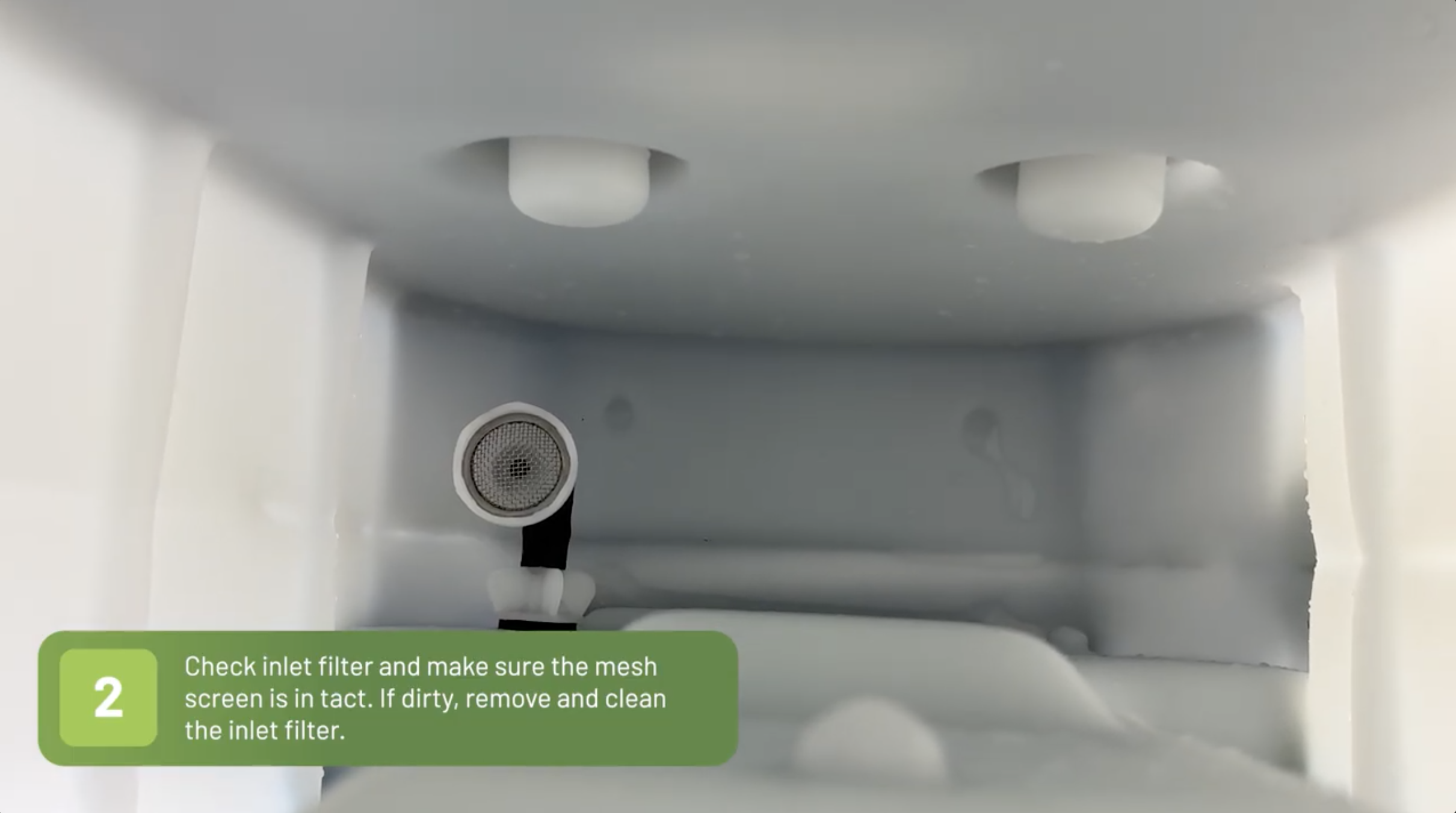
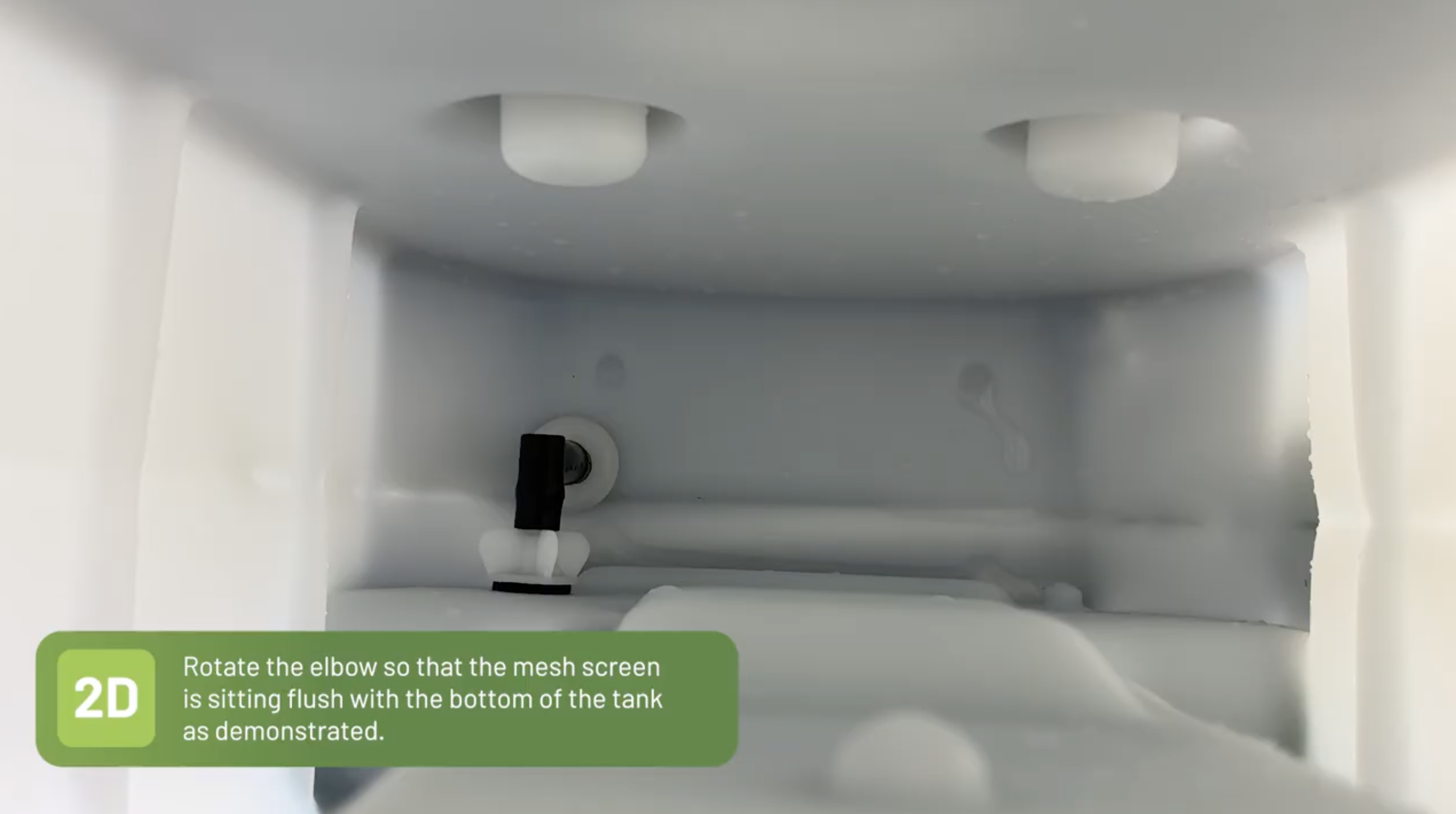
a. Find the white circular mesh screen at the bottom of your tank to assure it is in tact.
b. If dirty, you must remove and rinse with clean water and wipe down with clean cloth before reinstalling.
c. Rotate the elbow to have the mesh screen flush with the bottom of the tank.
STEP 3: Remove Battery and Disconnect Hose
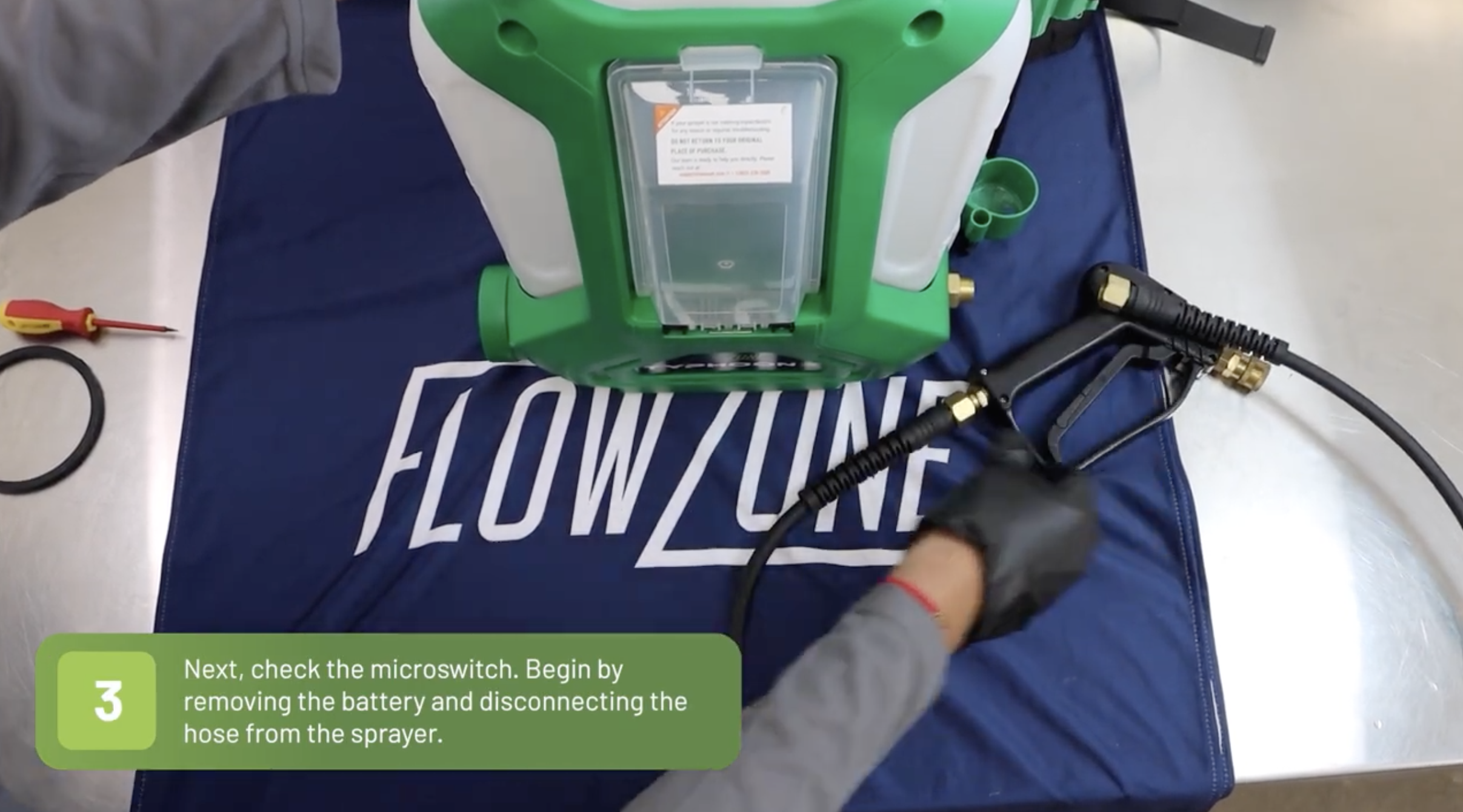
a. Remove the battery from the sprayer.
b. Remove the hose from the sprayer.
STEP 4: Remove the Cover Plate
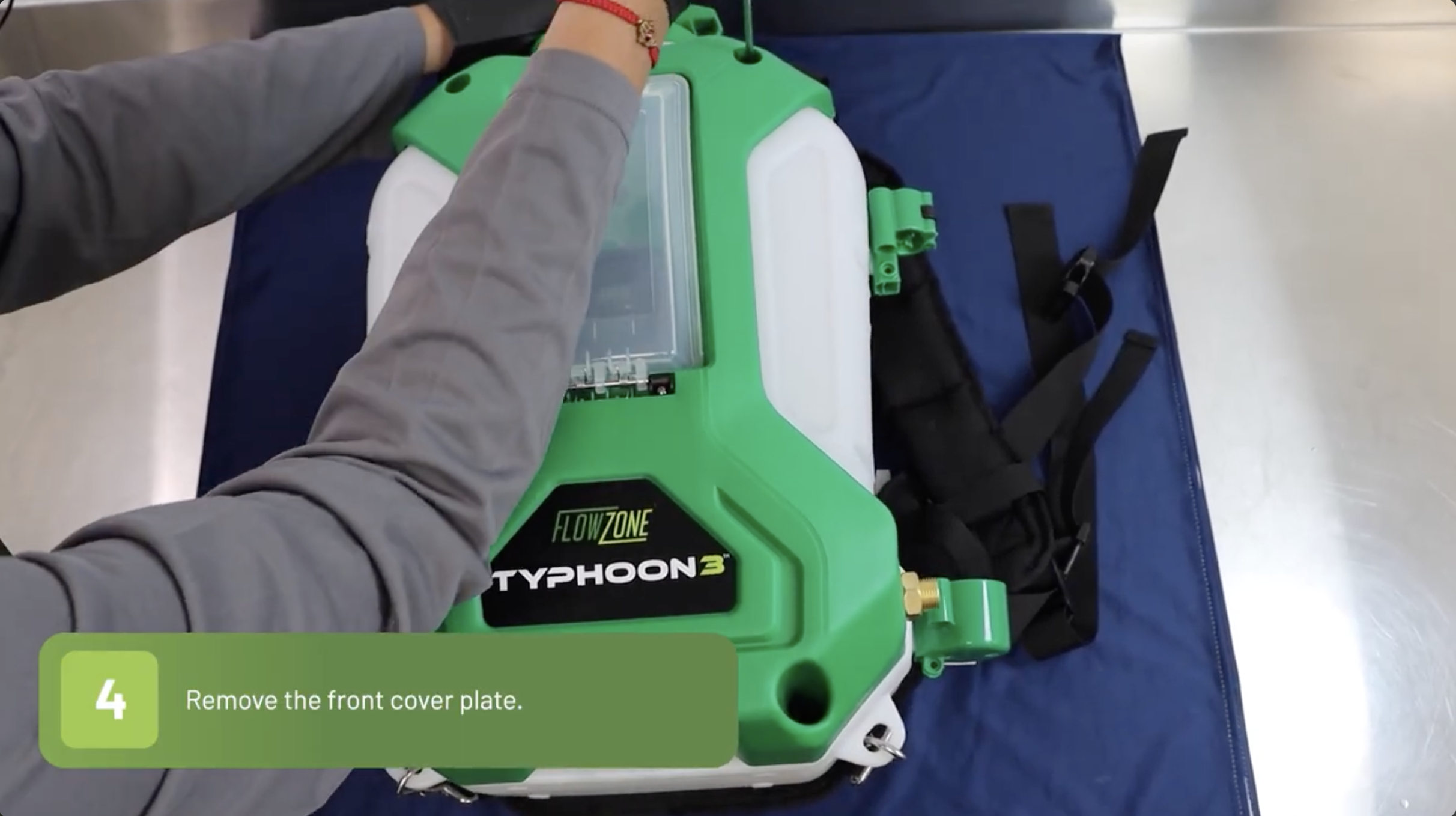 a. Using a Phillips screwdriver, remove the screws holding the front cover plate to the unit.
b. Gently sit the cover plate aside, revealing the inside of the sprayer.
Note: 3 of the screws are located under the battery protection door.
STEP 5: Check the Microswitch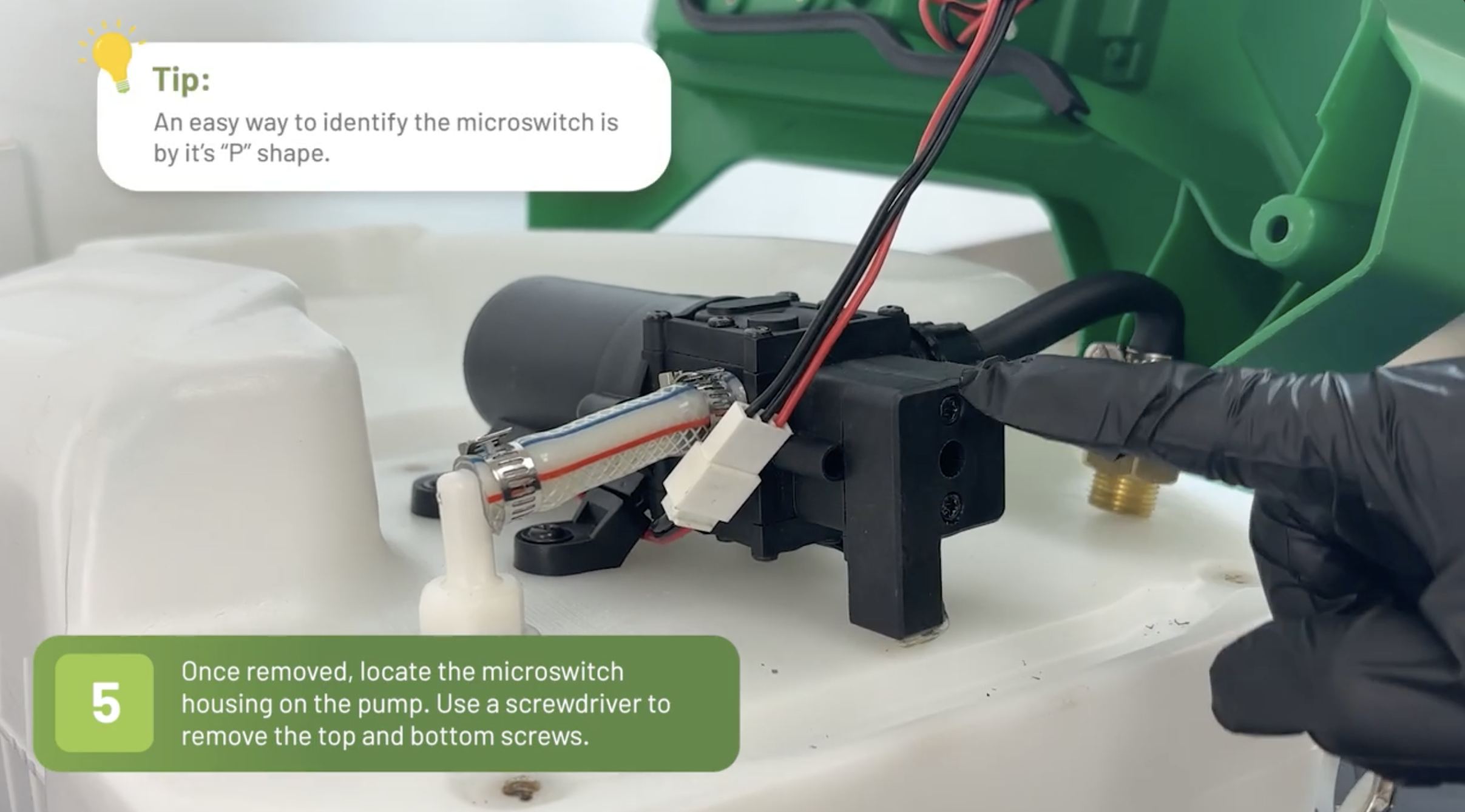
a. Locate the microswitch housing near the diaphragm pump, it should resemble the letter "P".
b. Using a screwdriver, remove the top and bottom screws from the cover.
c. With pliers or fingers, remove the connection furthest from the pump.
d. Place a battery into the sprayer and turn it on.
e. Take the disconnected terminal and touch it to the terminal still attached to the pump.
f. If the pump turns on, the microswitch will have to be replaced. With no noise, the circuit board needs to be replaced.
Note: In order to get a metal to metal, connection the rubber fittings may need to be pulled back prior to the test.
Was this article helpful?
That’s Great!
Thank you for your feedback
Sorry! We couldn't be helpful
Thank you for your feedback
Feedback sent
We appreciate your effort and will try to fix the article